What does high integrity mean in nature-based carbon projects?
How Land Life approaches high-integrity carbon project development in Australia.
What does high integrity mean to Land Life in the Australian carbon context?
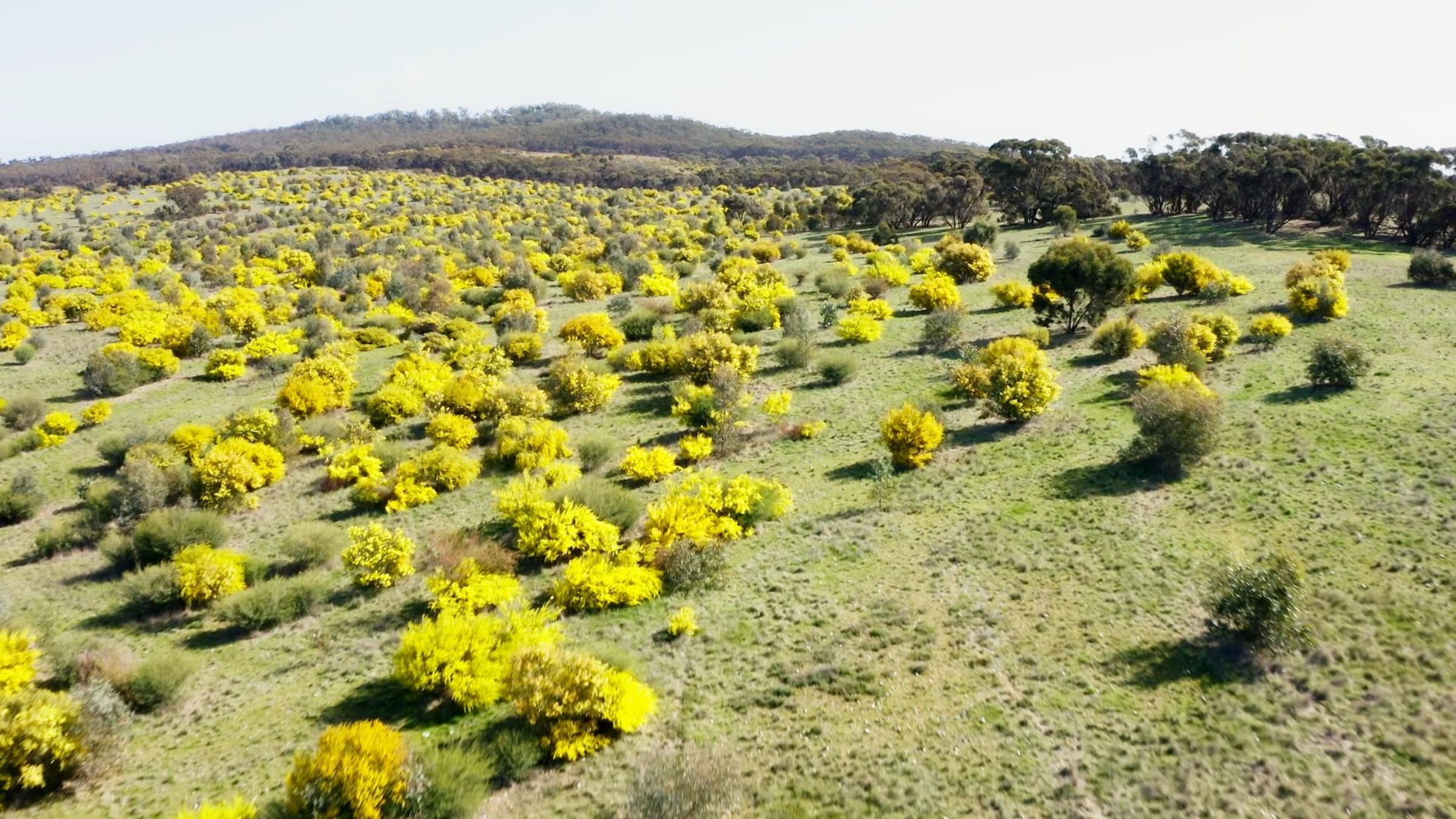
What makes a carbon project high integrity?
Video
Designing projects with Country, not just on Country
Every restoration project begins by understanding the landscape and the people who have cared for it over thousands of years.
We believe meaningful engagement with Traditional Owners is fundamental to high-integrity restoration. Their knowledge of Country provides invaluable insight into how landscapes have been managed historically and how they can be restored for the future.
That's why consultation and relationship building begin well before any planting takes place. Traditional Owners are part of the restoration journey – not simply stakeholders consulted along the way.
Designing for biodiversity and climate resilience
Carbon removal is one outcome of restoration, but it isn't the only one.
Every Australian landscape supports its own unique mix of flora, fauna and ecological communities. Our forestry scientists work alongside local experts, such as our planting implementation partner Cassinia EnvironmentalOpens in a new tab., to develop restoration designs that reflect those ecosystems while considering how they are likely to respond to a changing climate.
Rather than designing projects for today's conditions, we ask what these landscapes will need to remain healthy and resilient decades into the future.
High integrity starts before planting
One of the biggest misconceptions about restoration is that integrity begins when the first tree goes into the ground.
In reality, it starts much earlier.
Before a site is planted, Land Life invests significant time in ecological assessments, project design, biodiversity planning, Traditional Owner engagement and long-term management planning. By embedding these outcomes from the outset, we avoid retrofitting biodiversity or community benefits after project establishment.
Creating landscapes that last
Restoring nature is a long-term commitment.
Many of the landscapes we work on have been degraded through historical land clearing, intensive agriculture or wildfire. Rebuilding healthy ecosystems can take decades.
That's why we believe permanence should extend beyond the minimum requirements of a carbon methodology. In Australia, Land Life protects all our restoration sites through permanent conservation covenants on title, helping ensure these landscapes remain protected regardless of future ownership.
Connecting fragmented landscapes
Individual restoration projects become even more valuable when they contribute to something larger.
One of Land Life's priorities in Australia is creating wildlife corridors that reconnect isolated patches of native vegetation. Across many agricultural regions, remnant forests remain separated by cleared land, making it difficult for wildlife to move, feed and breed.
By strategically restoring these gaps, we're helping reconnect fragmented landscapes and improve habitat connectivity for native species.
Science and technology that improve restoration
High integrity also means continually improving how restoration is planned, delivered and monitored.
Land Life combines ecological expertise with proprietary science and technology developed across our global team. Our remote sensing platform helps assess the ecological, operational and economic suitability of restoration sites, while our peer-reviewed carbon sequestration model, FastTrack, provides site-specific forecasts based on species selection, topography, climate and planting design.
Once projects are established, our tree monitoring app captures in-field data to measure survival, growth and restoration performance over time.
This continuous feedback allows us to improve future projects while contributing to greater transparency and stronger restoration outcomes across the sector.
High integrity is more than carbon
For Land Life, high integrity is about creating projects that deliver lasting value for climate, nature and communities.
It means designing restoration around ecological function, engaging Traditional Owners from the beginning, permanently protecting restored landscapes under legal conservation covenants, and using science and technology to continually improve how our reforestation projects are delivered.
Carbon is an important outcome of that work – but it is the strength of the ecosystem, and the legacy it leaves for future generations, that ultimately defines high integrity.